How to Spot Fake Discounts in Pakistan: A Shopper's Data Guide by Zaryaft.com
Uncover the truth behind 'too good to be true' deals in Pakistan. Zaryaft.com's data-driven guide empowers you to identify misleading discounts and make genuinely smarter shopping choices.
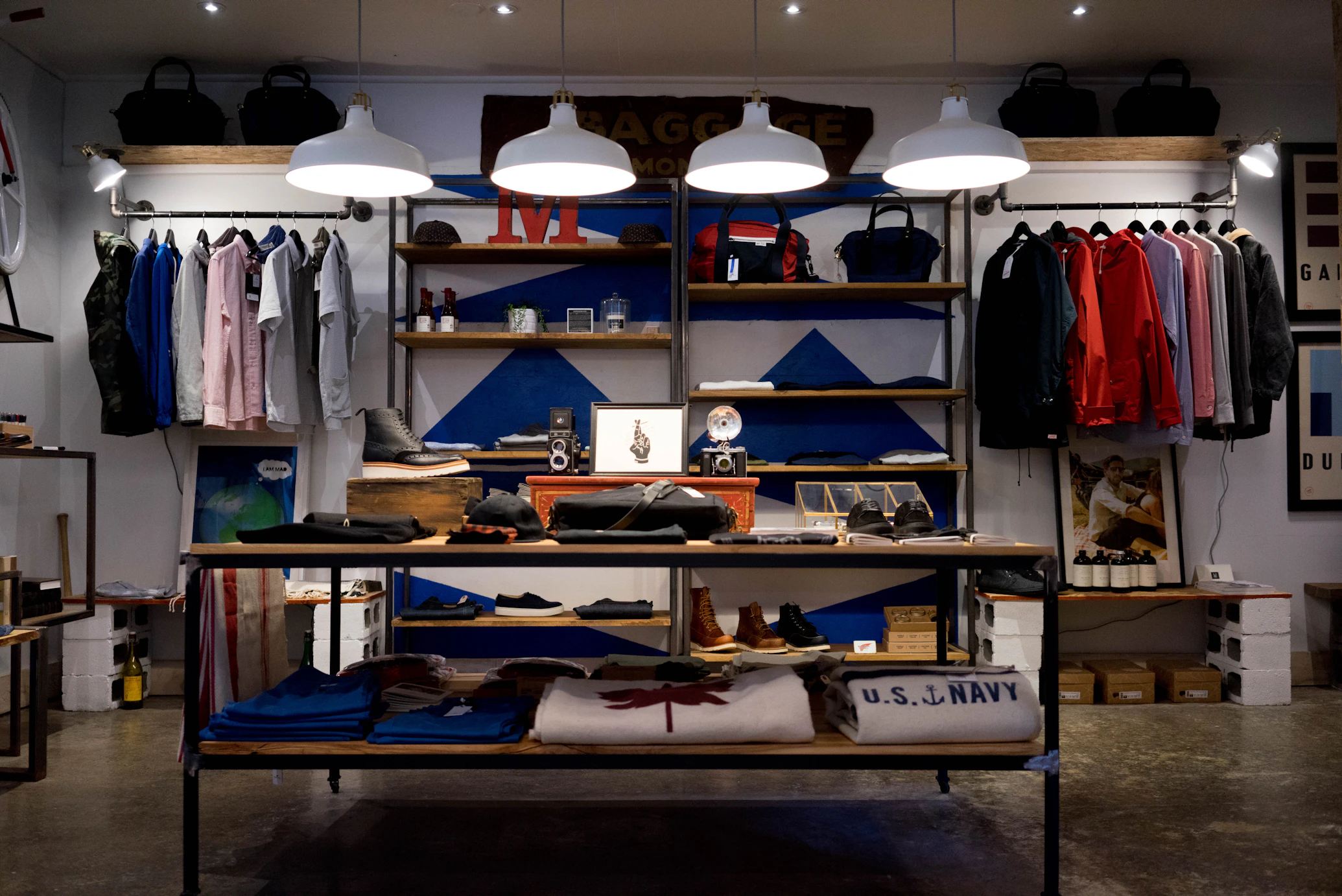
How to Spot Fake Discounts in Pakistan — A Shopper's Data Guide by Zaryaft.com
In the vibrant, bustling markets of Pakistan, both online and offline, the word "discount" holds an almost magnetic appeal. From the pre-Eid shopping frenzies in Lahore's Liberty Market to the year-end sales online, the promise of a bargain can be irresistible. Yet, beneath the allure of slashed prices often lies a complex web of pricing strategies, some of which can mislead even the savviest shoppers. At Zaryaft.com, Pakistan's premier shopping intelligence platform, our mission is to empower you with the data and insights needed to navigate this landscape successfully.
This article, based on our live market data as of April 29, 2026, delves deep into the art of identifying fake or weak discounts. We'll equip you with the knowledge and tools to differentiate between a genuine steal and a clever marketing ploy, ensuring your hard-earned rupees go further.
The Allure of the Discount: A Pakistani Shopping Obsession
The culture of bargaining and seeking value is deeply ingrained in the Pakistani consumer psyche. Whether it's negotiating prices at a local bazaar in Karachi's Tariq Road or eagerly awaiting the next big online sale event like Black Friday or 11.11, the pursuit of a good deal is a national pastime. E-commerce, while offering unparalleled convenience and choice, has also introduced new challenges in discerning true value. Brands, both local and international, frequently leverage discounts to attract customers, clear inventory, and create a sense of urgency.
However, this proliferation of discounts has also led to a concerning trend: the rise of misleading promotions. Shoppers often encounter situations where an item appears heavily discounted, only for its 'original' price to have been artificially inflated, or the discount merely brings it to its standard market value. It's a common tactic designed to create an illusion of savings, making it harder for consumers to make informed decisions.
Zaryaft.com's Value Score: Your Shield Against Misleading Deals
At Zaryaft.com, we believe that true shopping intelligence comes from data. That's why we developed our proprietary Zaryaft Value Score – a crucial metric designed to cut through the noise of percentages and reveal the true worth of a deal. Our sophisticated algorithm analyzes a multitude of factors to calculate this score, ranging from 0 to 10, with a higher score indicating a genuinely superior deal.
Our algorithm considers:
- Historical Pricing Data: We track prices over time, identifying patterns, previous lows, and average selling prices.
- Market Trends: How does the product's price compare to similar items and overall market dynamics?
- Competitor Analysis: Is the 'discounted' price genuinely lower than what competitors are offering?
- Perceived Value: Brand reputation, product demand, and launch status (new vs. old stock) play a role.
- Discount Depth vs. Frequency: A deep discount might be less valuable if it's offered every other week.
When a deal shows a low Zaryaft Value Score (e.g., below 4), it serves as a critical red flag. It doesn't necessarily mean the discount is 'fake' in a fraudulent sense, but rather that despite the percentage off, the actual value to the shopper is weak. This could be due to an inflated original price, the product nearing its end-of-life, or the discount being a standard, rather than exceptional, offering for that item or brand.
Case Study: Unpacking Asim Jofa's "Discounts" with Zaryaft Data
To illustrate the power of the Zaryaft Value Score, let's examine some real-world examples from our database. We recently observed several unstitched outfits from the popular brand Asim Jofa, which, despite offering seemingly attractive percentage discounts, registered remarkably low Zaryaft Value Scores. This indicates that while a discount is present, the deal might not be as compelling as it first appears.
Consider these specific instances:
- The Ajso-119 Unstitched 2 Pcs Shirt Dupatta (Asim Jofa) was listed with a 10% discount, but its Zaryaft Value Score was a mere 1.5. A 10% reduction is often a standard promotional tactic, barely moving the needle on true value.
- Similarly, the Ajso-130 Unstitched 2 Pcs Shirt Dupatta (Asim Jofa) boasted a 20% off, yet its Value Score only reached 2.5. While a higher percentage, the underlying factors suggest it's still not a standout deal.
- Even with a more substantial 30% off, items like the Ajso-106 Unstitched 2 Pcs Shirt Dupatta (Asim Jofa), AJSO-380 Unstitched 3 Pcs Shirt Dupatta Trouser (Asim Jofa), and AJSO-317 Unstitched 2 Pcs Shirt Dupatta (Asim Jofa) all scored a modest 3.5. This clearly indicates that a higher discount percentage does not automatically equate to a truly valuable purchase.
What Do These Low Scores Signify?
These examples are not isolated incidents but rather symptomatic of common pricing strategies that can dilute the perceived value of a discount:
- The "Always on Sale" Trap: Some brands, particularly in the fashion industry, keep certain product lines in a perpetual state of 'sale'. The advertised 'original' price becomes a theoretical figure, and the 'discounted' price is, in reality, the item's standard selling price. Shoppers get conditioned to only consider the lower price, never truly getting a 'deal'.
- Inflated Manufacturer's Recommended Prices (MRPs): A prevalent tactic involves setting an artificially high MRP. This allows retailers to offer a seemingly impressive percentage discount (e.g., 30-50% off) that merely brings the product's price down to its actual competitive market value, or even slightly above it. The shopper feels they've saved a significant amount, when in fact, they've paid the fair market price or sometimes even overpaid.
- Clearing Old Stock or Less Popular Designs: While a genuine discount, these markdowns might apply to items that are out of season, feature less popular designs, or are nearing the end of their product lifecycle. While there's nothing inherently wrong with purchasing older stock, a savvy shopper should be aware that the 'value' here is different from getting a discount on a current, in-demand collection. For example, a winter collection outfit discounted in summer might be a great deal if you plan ahead, but less so if you're looking for the latest trends.
- Competitive Pricing Illusion: Often, a discount simply brings a product's price in line with what competitors are already offering, rather than significantly undercutting them. The 'deal' is merely a market equilibrium price, not a special saving. This is particularly common in highly competitive sectors like electronics and apparel, where retailers constantly monitor each other's prices.
Beyond the Percentage: Key Indicators of a Weak or Fake Discount
While Zaryaft's Value Score is your ultimate guide, understanding the underlying indicators will make you an even smarter shopper. Here are crucial signs to watch out for:
1. The "Too Good to Be True" Red Flag
If you see a discount that seems unbelievably generous – say, 70-90% off a newly launched, high-demand product from a premium brand – proceed with extreme caution. Genuine, deep discounts usually occur under specific circumstances like end-of-season clearance, flash sales for limited stock, or minor cosmetic defects. A suspiciously large discount without a clear, logical reason is a major red flag that the original price might have been manipulated.
2. Price History Scrutiny
One of the most powerful tools against fake discounts is historical price data. A product consistently on 'sale' at a certain price point for months indicates that this is its true market value, not a temporary discount. If an item's price fluctuates wildly, with peaks just before a 'sale' period, that's a classic tactic to create an artificial discount.
💡 Zaryaft Intelligence: Always check the price history. A product consistently on 'sale' at a certain price point indicates that price is its true market value, not a discounted one. Use Zaryaft.com's robust price tracker to access invaluable historical data and spot genuine patterns. Our platform allows you to see how prices have changed over weeks and months, revealing the true nature of a 'deal'.
Smart Insight
3. Compare Across Retailers (Offline & Online)
Before making a purchase, especially for higher-value items, compare prices across various platforms and physical stores. What's the price at your local electronics market in Hall Road, Lahore, or the branded outlet at Dolmen Mall, Karachi? How does it compare to other major online retailers like Daraz, Telemart, or others? The 'discounted' price on one platform might be the standard price, or even higher, elsewhere.
4. Read Between the Lines: Terms and Conditions
Always scrutinize the fine print of any promotional offer. Hidden costs like exorbitant shipping fees, non-refundable policies on discounted items, or strict return windows can quickly negate any perceived savings. Some 'bundle deals' might force you to buy items you don't need, making the overall purchase less economical than buying the desired item separately.
5. Brand Reputation and Product Demand
Consider the brand and the product itself. Lesser-known or new brands might offer deeper, genuine discounts to penetrate the market and build a customer base. However, for established brands and highly sought-after products, significant discounts are rarer outside of major, well-advertised sale events. If a brand known for its premium pricing suddenly offers a massive, unannounced discount on a flagship product, it warrants investigation.
A Comparison: Understanding Discount Value
Let's revisit our Asim Jofa examples and summarize the insights gleaned from Zaryaft's data:
| Product Name | Stated Discount | Zaryaft Value Score | Potential Issue | Shopper Takeaway |
|---|---|---|---|---|
| Ajso-119 Unstitched 2 Pcs Shirt Dupatta (Asim Jofa) | 10% | 1.5 | Standard pricing, not a special deal. | Don't be swayed by small percentages if the value score is low; it's likely the normal selling price. |
| Ajso-130 Unstitched 2 Pcs Shirt Dupatta (Asim Jofa) | 20% | 2.5 | Likely inflated MRP or a common, frequent discount. | Check historical prices; this percentage might simply bring it to its average market price. |
| Ajso-106 Unstitched 2 Pcs Shirt Dupatta (Asim Jofa) | 30% | 3.5 | Could be older stock, less popular design, or a 'regular' promotional price. | Consider if the design is current or if you truly need it at this price, rather than being lured by the percentage alone. |
| AJSO-380 Unstitched 3 Pcs Shirt Dupatta Trouser (Asim Jofa) | 30% | 3.5 | Similar to above; a higher percentage doesn't guarantee outstanding value. | Always cross-reference with Zaryaft's score, not just the advertised percentage, for true insight. |
| AJSO-317 Unstitched 2 Pcs Shirt Dupatta (Asim Jofa) | 30% | 3.5 | The discount merely brings it to market equilibrium or clears inventory. | A 30% discount can still be a weak deal if the initial price was artificially high or if it's a common seasonal markdown. |
Empowering Your Shopping Decisions in Pakistan
Navigating the Pakistani retail landscape, especially during peak shopping seasons like Eid-ul-Fitr, Eid-ul-Adha, Ramadan sales, or national events like 14th August, requires more than just a keen eye. It demands data-driven insights. Zaryaft.com is committed to providing that intelligence, helping you make decisions that truly benefit your wallet.
Pro-Tips for the Savvy Pakistani Shopper
- Set Price Alerts on Zaryaft: Don't miss out on genuine deals. If there's a product you're eyeing, set a price alert on Zaryaft.com. We'll notify you when its price drops to your desired level, or when its Zaryaft Value Score indicates a truly exceptional offer.
- Read Reviews and Research Quality: Beyond the price, always consider the product's quality and functionality. A cheap deal on a poorly made item is no saving at all. Look for authentic reviews and unboxing videos, especially for electronics and apparel.
- Understand Your Needs vs. Wants: The thrill of a discount can often lead to impulse purchases of items you don't genuinely need. Before clicking 'buy', take a moment to assess if the product aligns with your actual requirements and budget, rather than being solely driven by the perceived 'deal'.
- Patience is Key: The best deals often come to those who wait and track. Unless it's an urgent purchase, monitor products over time. Zaryaft's historical data will show you if the current discount is truly exceptional or if better opportunities might arise.
- Support Local Businesses Wisely: While supporting local businesses is commendable, ensure you're still getting fair value. Use Zaryaft to compare local online retailers with larger platforms to ensure you're making an informed choice.
Conclusion
The Pakistani shopping experience is evolving rapidly, with endless opportunities to find great products. However, the rise of misleading discounts means that shoppers must be more vigilant than ever. The percentage off an item rarely tells the full story. As we've seen with our live market data as of April 29, 2026, a seemingly good discount can mask a weak deal when examined through the lens of Zaryaft's Value Score.
At Zaryaft.com, we are dedicated to transparency and empowering you, the Pakistani consumer, with the tools to make truly smart purchasing decisions. Don't fall for the illusion of savings. Empower your shopping journey with Zaryaft.com. Visit our platform today to explore genuine deals, track prices, and unlock the real value in every purchase.