AI's Runway Revolution: How Artificial Intelligence is Reshaping Pakistan's Fashion Retail Landscape in 2026
Explore how AI is poised to revolutionize Pakistan's fashion retail by 2026, impacting design, supply chains, customer experiences, and sustainability efforts.
AI's Runway Revolution: How Artificial Intelligence is Reshaping Pakistan's Fashion Retail Landscape in 2026
The fashion industry in Pakistan is on the cusp of a significant transformation, driven by the rapid integration of Artificial Intelligence (AI). By 2026, AI will no longer be a futuristic concept but a core component of the fashion retail ecosystem, influencing everything from design and merchandising to supply chain management and customer engagement.
/AI-Powered Design and Merchandising
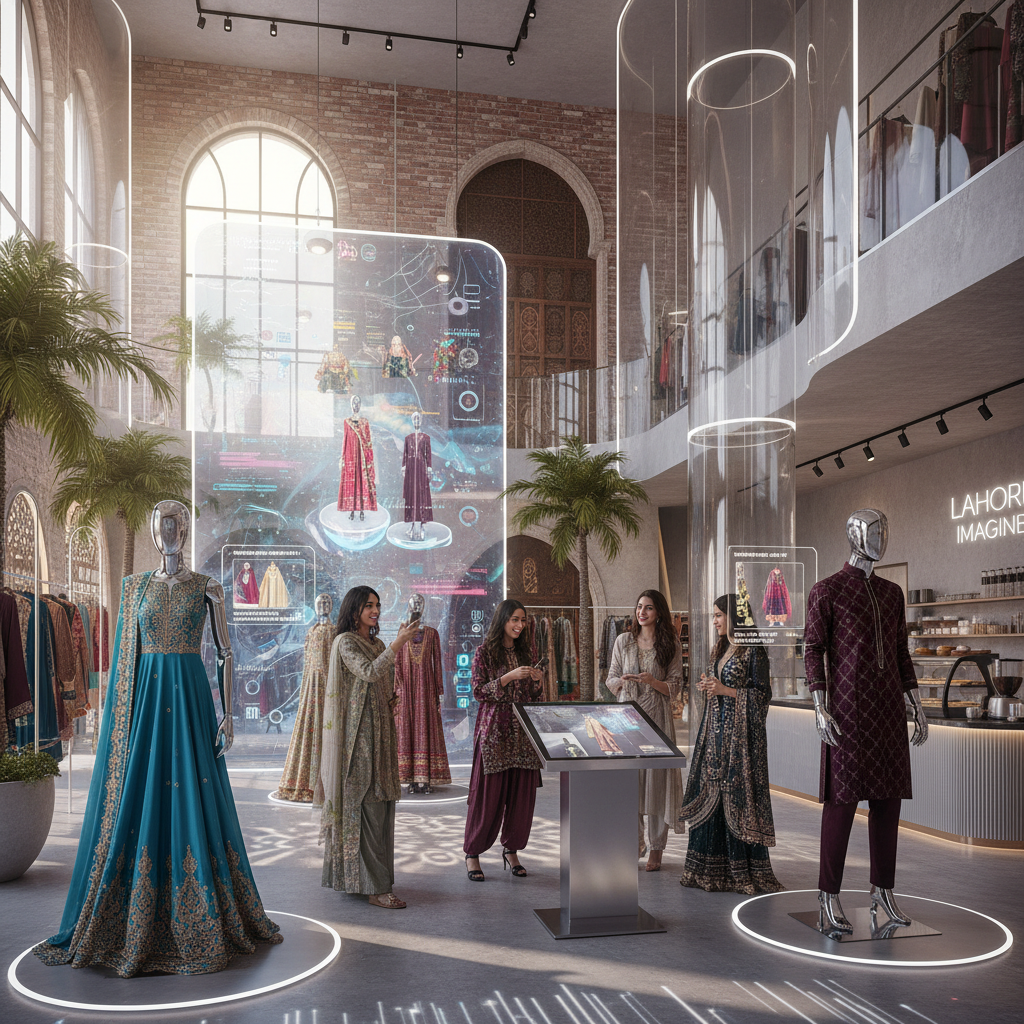
Imagine designers in Lahore using AI to predict the next big trend, months before it hits the streets. By 2026, this will be commonplace. AI algorithms will analyze vast datasets – social media trends, runway shows, street style, and even historical sales data – to forecast which styles, colors, and fabrics will resonate with consumers. Tools like CLIP allow the fusion of traditional aesthetics with emerging technologies, empowering designers to innovate while upholding cultural heritage. This predictive capability will enable brands to curate collections with dramatically higher success rates, minimizing guesswork and maximizing profitability.
/Streamlining the Supply Chain
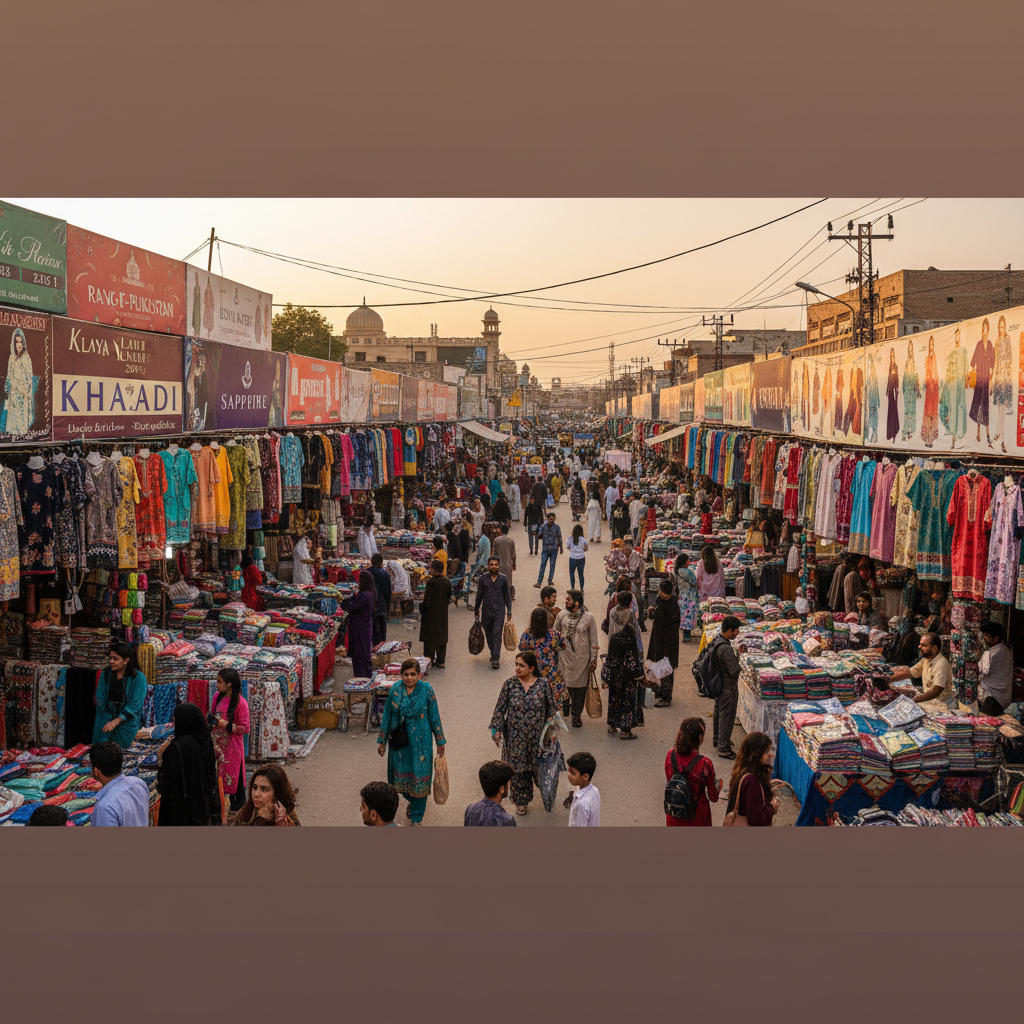
Pakistan's textile sector, a major exporter for global brands like Zara and H&M, faces both opportunities and challenges with AI adoption. On one hand, AI can optimize supply chain efficiency, reducing waste and improving production processes. On the other hand, the pressure to meet AI-driven demand for faster production cycles could exacerbate unsustainable practices, leading to increased reliance on fossil fuels and lower wage growth. Addressing these challenges requires a proactive approach, including government regulations that promote ethical production and investments in high-value, sustainable textile innovation.
/Personalized Customer Experiences
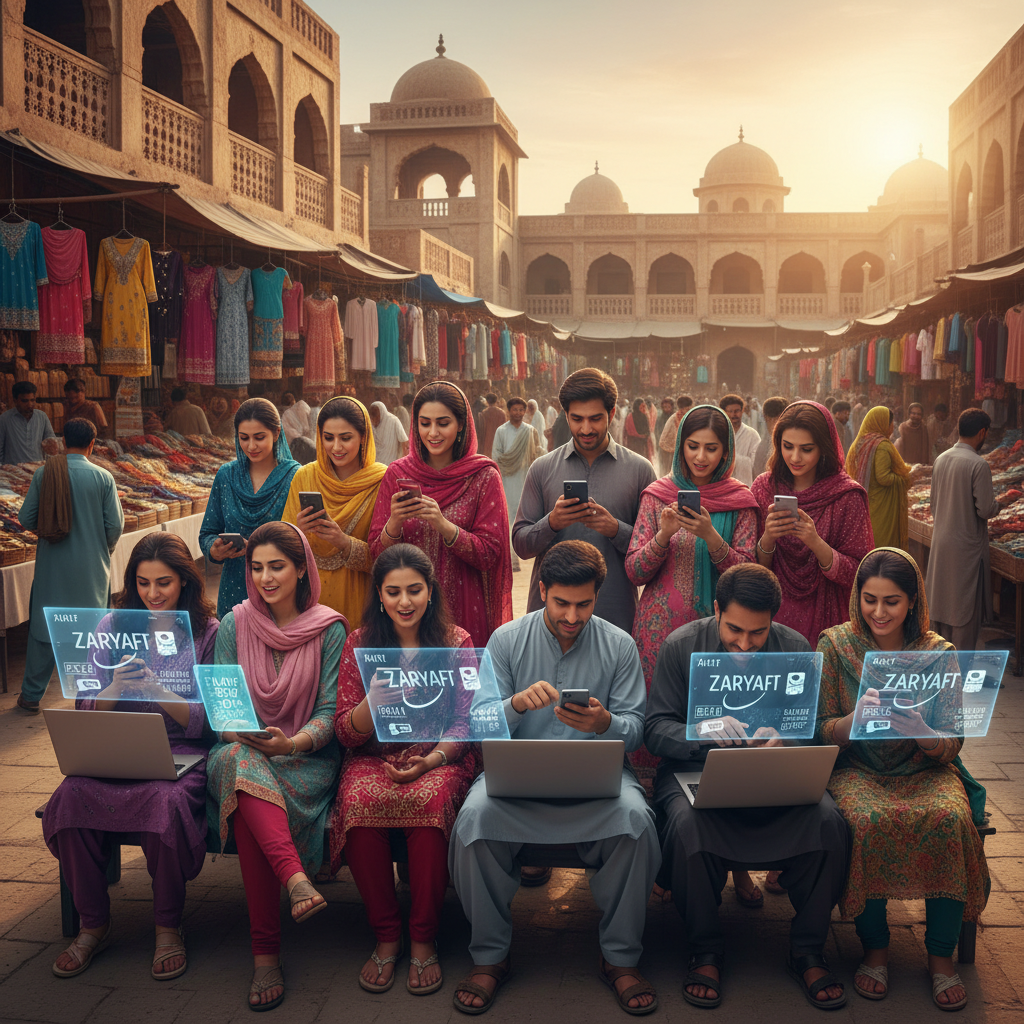
AI is set to revolutionize the way Pakistani consumers interact with fashion brands. Personalized shopping experiences will become the norm, with AI-powered recommendations tailored to individual preferences and body types. Visual search technology will enable customers to find desired items simply by uploading an image, while AI chatbots will provide 24/7 customer support and fashion advice. This level of personalization will enhance customer engagement and satisfaction, driving loyalty and sales.
/The Rise of AI-Enhanced Marketing
Influencer marketing will also undergo a transformation, with AI playing a key role in identifying the most impactful content creators and optimizing campaign performance. AI tools will analyze social media data to identify influencers whose audiences align with a brand's target market, and they will track campaign metrics in real-time to optimize messaging and maximize reach.
/Sustainability and Ethical Considerations
While AI offers immense potential for improving efficiency and profitability, it's crucial to address its impact on sustainability and ethical practices. Pakistan needs to invest in high-value textile innovation, focusing on organic and regenerative fiber production. Trade policies should be restructured to reward ethical production, moving away from the low-cost, high-volume cycle of AI-optimized fast fashion. Government regulations are essential to curb AI's role in exploitative supply chains and ensure that the benefits of AI are shared equitably.
/The Future is Now
The integration of AI into Pakistan's fashion retail sector is not a distant possibility; it's happening now. Brands that embrace AI and invest in its development will gain a competitive edge, stay ahead of trends, and increase revenue. However, success requires a holistic approach that considers not only technological advancements but also ethical and environmental considerations. By prioritizing sustainability, investing in innovation, and fostering a collaborative ecosystem, Pakistan can harness the power of AI to create a vibrant and responsible fashion industry for the future.
Article Author
Zaryaft Team
Fashion Expert & Critic